
By the Directorate of Petroleum and Solid Minerals, National Youth Council of Nigeria (NYCN), Lagos State Chapter.
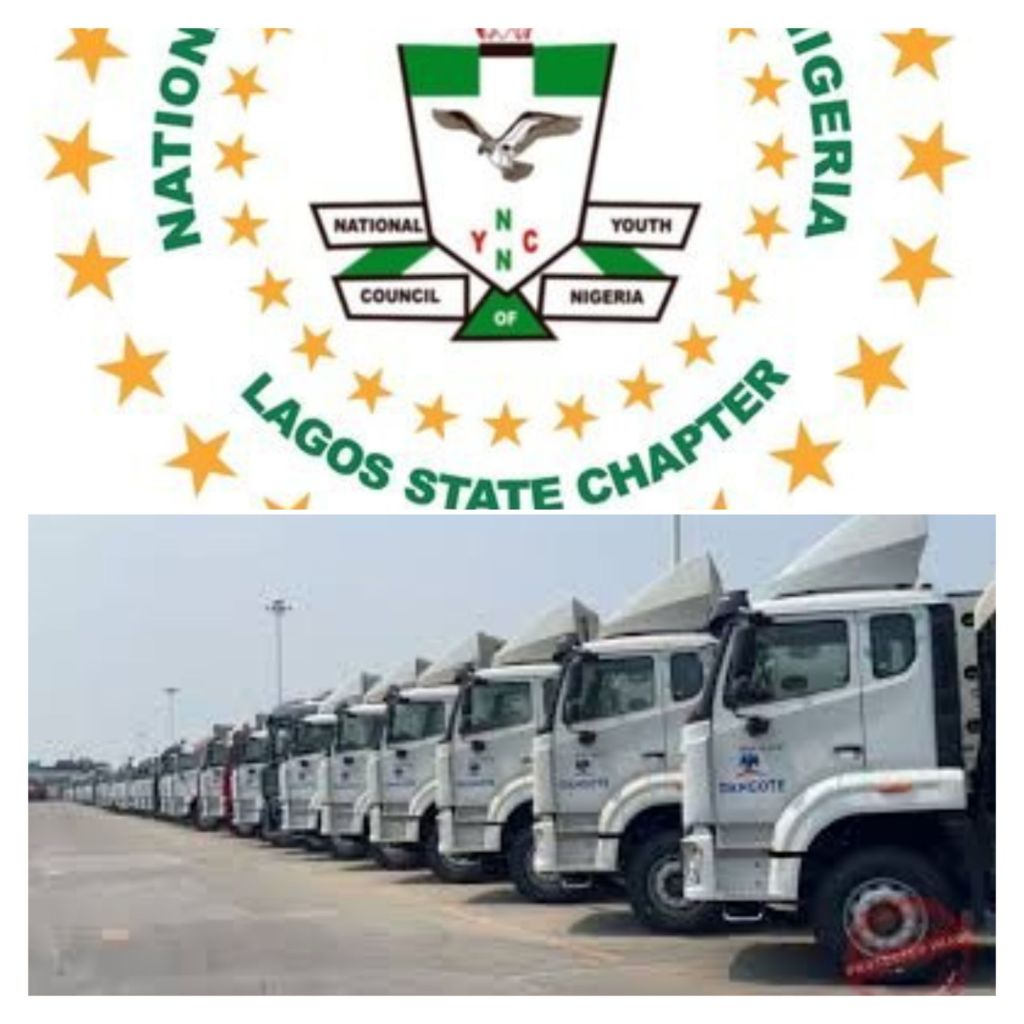
The launch of Compressed Natural Gas (CNG) trucks marks a transformative step in Nigeria’s transportation and energy sectors. As the world transitions toward cleaner and more sustainable energy solutions, Nigeria under the visionary leadership of President Bola Ahmed Tinubu is embracing innovative strategies to diversify its energy mix and reduce environmental impact. Among these is the nationwide rollout of CNG-powered vehicles, a move that presents immense benefits for national development and countless opportunities for Nigerian youth, particularly in Lagos State.
Why CNG Trucks Matter
CNG trucks use compressed natural gas as fuel instead of diesel or petrol. Natural gas burns more cleanly, producing fewer greenhouse gas emissions, reducing urban air pollution, and supporting global efforts to combat climate change. Beyond environmental benefits, CNG is significantly cheaper than petrol or diesel, which translates to lower transportation costs for businesses and consumers.
For a country like Nigeria one of Africa’s largest producers of natural gas, CNG offers a way to utilize abundant domestic resources more efficiently. By reducing reliance on imported refined petroleum products, CNG adoption can conserve foreign exchange, stabilize fuel prices, and strengthen energy security.
Economic and Environmental Perks
Cost Efficiency: Transport companies and independent truck owners can save substantially on fuel expenses. This cost reduction can lower the price of goods transported by road, easing the burden on consumers.
Cleaner Air for Lagos: Lagos, as Nigeria’s commercial capital, faces air quality challenges due to heavy traffic and industrial activity. Widespread CNG adoption will reduce vehicle emissions, improving public health and environmental quality.
Job Creation: The transition to CNG trucks will create jobs in vehicle conversion, maintenance, fuelling stations, logistics, and driver training. This is an open door for skilled and unskilled labour alike.
Energy Independence: Utilizing locally produced natural gas reduces the nation’s dependence on imported fuels, strengthening economic stability.
Opportunities for Lagos Youth
The youth population of Lagos is vibrant, innovative, and entrepreneurial. The shift toward CNG trucks offers numerous pathways for young people to engage meaningfully and benefit economically:
Vehicle Conversion and Maintenance: Workshops and technical centers will need skilled technicians to convert petrol or diesel trucks to CNG systems. Youths with mechanical or engineering skills can undergo short-term certification programs to specialize in this field.
CNG Refuelling Infrastructure: As fueling stations expand, opportunities arise in construction, operations, and management. Entrepreneurs can also explore partnerships to establish mini CNG refueling points in underserved areas.
Logistics and Transportation Startups: Lower fuel costs make trucking businesses more profitable. Youth-led logistics startups can invest in or lease CNG trucks for commercial delivery services, e-commerce logistics, and intra-state haulage.
Green Advocacy and Training: The Directorate of Petroleum and Solid Minerals of the National Youth Council of Nigeria is championing this vital initiative, empowering young professionals to spearhead awareness campaigns, partner to deliver specialized training, and provide expert consultancy for businesses transitioning to CNG. By driving education and strategic engagement in Nigeria’s clean energy shift, the Directorate positions the nation’s youth as pivotal leaders in advancing a sustainable, green energy revolution.
Opportunities for Young Students and Researchers
Students and young researchers have a unique opportunity to contribute to Nigeria’s clean energy future through innovative research and development (R&D).
Areas of potential impact include:
Fuel Efficiency and Safety Innovations: Developing improved CNG engine systems, fuel storage solutions, or safety mechanisms tailored to Nigeria’s transportation landscape.
Environmental Impact Studies: Conducting studies on emissions reduction, air quality improvement, and health benefits from CNG adoption to guide government policy.
Supply Chain Optimization: Researching ways to make CNG distribution and refuelling infrastructure more efficient and cost-effective.
Collaboration with Industry Leaders: Dangote Industries, logistics companies, and government agencies may benefit from student-led pilot projects or innovative prototypes that enhance vehicle performance or operational efficiency.
Academic-Industry Partnerships: Universities in Lagos can partner with government programs and private companies to fund scholarships, competitions, and incubators for green technology startups.
These initiatives not only advance Nigeria’s energy transition but also provide young innovators with visibility, mentorship, and potential funding for scalable projects.
Steps Youth Can Take Now
Upskill: Enroll in vocational or technical programs on automotive mechanics, renewable energy, or logistics management.
Research and Innovate: Young researchers can seek grants or collaborate with institutions to explore breakthroughs in CNG technology, positioning themselves as problem-solvers for national challenges.
Entrepreneurial Ventures: Start small logistics businesses with leased or pooled CNG trucks.
Networking: Join platforms like NYCN, innovation hubs, or industry associations to access mentorship and partnerships.
The Bigger Picture
CNG technology represents more than just a new fuel source, it symbolizes a shift toward a sustainable, self-reliant, and future-focused Nigeria. By reducing emissions, lowering costs, and creating jobs, CNG trucks are part of a broader national strategy to transform the economy and improve the quality of life for all Nigerians.
For Lagos youth including students, researchers, and young entrepreneurs this is a call to action. The Directorate of Petroleum and Solid Minerals, NYCN Lagos State Chapter, is committed to equipping young people to seize these opportunities. By leveraging innovation, research, and entrepreneurship, Lagos youth can become key drivers of Nigeria’s green revolution and economic transformation.
The future is green, innovative, and full of possibilities; Lagos youth must lead the charge.
 ajasainfo.com
Leave a Reply